Deep Cleaning in W9: A Practical, Room-by-Room Approach to a Healthier Home
If you are looking for deep cleaning in W9, you are probably ready for more than a quick tidy-up. A proper deep clean reaches the corners, edges, fixtures, and hidden surfaces that routine cleaning often misses. Whether you live in a flat, manage a rental property, or want to refresh a busy household, deep cleaning in W9 can transform a space from merely presentable to genuinely fresh, hygienic, and comfortable.
W9 covers some of West London’s most sought-after residential areas, where homes often balance character features, modern interiors, and busy lifestyles. That mix can make deep cleaning especially important. Dust builds up in ornate details, grease settles into kitchens, limescale appears quickly in bathrooms, and high-traffic flooring needs extra care. When done properly, deep cleaning in W9 supports a cleaner living environment, protects surfaces, and helps homes feel more organized and inviting.
In this article, we explore what deep cleaning includes, why it matters, and how to approach it strategically for different rooms and property types. You will also find practical tips, useful checklists, and cleaning priorities that make the process more manageable. If you want to refresh your home with professional-level results, this is the place to start.
What Deep Cleaning in W9 Really Means
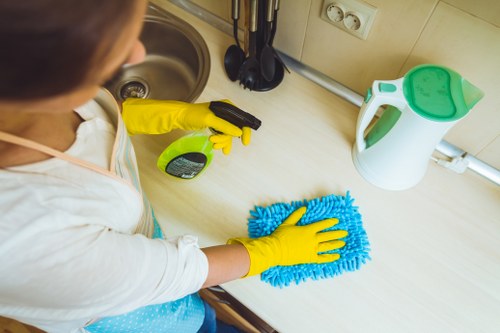
Deep cleaning in W9 goes beyond everyday chores such as wiping counters, sweeping floors, and making beds. It involves detailed cleaning tasks designed to remove built-up grime, dust, bacteria, and hidden dirt from areas that are often overlooked. This can include skirting boards, behind appliances, under furniture, inside cupboards, window tracks, grout lines, and light fixtures.
Unlike standard cleaning, which focuses on surface maintenance, deep cleaning is more intensive and methodical. It aims to restore the condition of a room, improve hygiene, and extend the life of materials and fixtures. For many households in W9, where people balance work, commuting, family time, and social commitments, a proper deep clean can be the difference between a home that just looks neat and one that feels truly restored.
The best way to think about deep cleaning is as a reset. It removes the layer-by-layer buildup that accumulates over time and creates a healthier baseline for regular upkeep. In busy homes, that reset is especially valuable because it makes future cleaning faster and easier.
Why Deep Cleaning Matters for Homes in W9
Cleaner Spaces, Healthier Living

One of the strongest reasons to invest in deep cleaning in W9 is health. Dust, pet hair, pollen, food residue, and damp-related buildup can affect indoor air quality and create unpleasant odors. Kitchens and bathrooms can harbor bacteria if they are not cleaned thoroughly, while neglected carpets and upholstery may trap allergens and debris.
For families, professionals working from home, and landlords preparing a property for new occupants, deep cleaning offers practical benefits. It helps reduce allergens, lowers the risk of mold growth in damp areas, and improves overall comfort. A cleaner home also encourages better routines because it is easier to maintain when the environment is already in good condition.
There is also a visual benefit. Polished taps, dust-free shelves, clean grout, and refreshed flooring all make a home look brighter and more spacious. That is why deep cleaning in W9 is so useful before special events, after renovations, at the end of a tenancy, or at the beginning of a new season.
Common Reasons People Book Deep Cleaning in W9
- Moving into a new property
- Preparing for guests or events
- End of tenancy cleaning requirements
- After renovation or decorating work
- Seasonal refresh, such as spring or autumn cleaning
- General reset after a demanding schedule
Areas Typically Covered in Deep Cleaning in W9
Kitchen, Bathroom, Bedrooms, and Living Areas

A well-planned deep cleaning in W9 service usually covers every major room in the property, with special attention to the areas that collect grease, moisture, and dust most quickly. While every home is different, the process often follows a room-by-room structure to ensure nothing is missed.
In the kitchen, deep cleaning may involve degreasing the hob, cleaning behind and beneath appliances, wiping cabinet fronts and handles, descaling sinks and taps, scrubbing splashbacks, and sanitizing food prep areas. In bathrooms, the focus often includes limescale removal, tile and grout cleaning, toilet descaling, mirror polishing, and detailed attention to fixtures and fittings.
Bedrooms and living rooms require a different approach. These spaces often need dust removal from skirting boards, shelves, picture frames, lampshades, radiators, and window sills. Soft furnishings may be vacuumed thoroughly, while floors get careful attention depending on whether they are carpeted, wooden, or tiled.
Typical Deep Cleaning Tasks by Room
- Kitchen: appliances, cabinets, sinks, tiles, counters, and floor edges
- Bathroom: taps, shower screens, grout, toilets, mirrors, and drains
- Bedrooms: furniture surfaces, wardrobes, under beds, and dust-prone corners
- Living room: upholstery, skirting, shelves, electronics dusting, and flooring
- Hallways: doors, handles, banisters, and high-touch points
This structured approach makes deep cleaning in W9 more effective because each area receives the right level of attention. It also ensures that heavy-use zones are restored without ignoring less obvious spots.
How to Plan a Deep Cleaning in W9
Preparation Makes the Process Easier
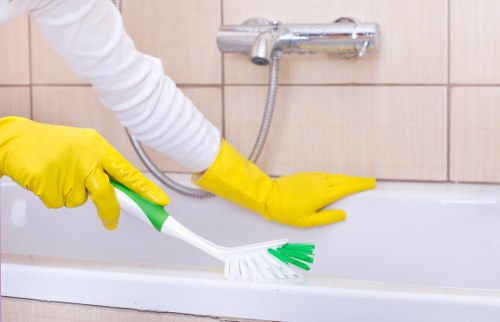
Before beginning deep cleaning in W9, it helps to create a practical plan. A room-by-room checklist can prevent wasted effort and ensure the work is completed in a logical order. Start by gathering supplies such as microfiber cloths, disinfectant, degreaser, glass cleaner, an appropriate floor cleaner, sponges, brushes, gloves, and vacuum attachments.
Next, declutter as much as possible. Deep cleaning is much easier when surfaces are clear and items are put away. Remove objects from shelves, counters, and floors so you can reach every area. Open windows where possible to improve ventilation and help rooms feel fresher during and after cleaning.
It is also smart to clean from top to bottom. Dust and debris naturally fall downward, so starting with ceiling corners, light fittings, and tall furniture prevents re-cleaning lower surfaces later. Work from dry dusting to damp wiping, then finish with floors for the best result.
Before You Start, Check These Items
- Cleaning products suitable for each surface
- Fresh cloths, mop heads, and vacuum bags or filters
- Access to hot water and ventilation
- Safety items such as gloves and non-slip footwear
- A clear plan for which room to tackle first
Whether you are handling the job yourself or hiring support, this planning stage makes deep cleaning in W9 more efficient and less overwhelming.
Kitchen Deep Cleaning in W9: A High-Priority Area
Grease, Food Residue, and Hidden Dirt

The kitchen is often the most demanding area during deep cleaning in W9. Because it is used daily for cooking, food storage, and washing up, it tends to accumulate grease, crumbs, sticky residue, and odors more quickly than other rooms. A proper kitchen deep clean should target both visible and hidden buildup.
Start with the upper cabinets and work down. Remove dust from tops of cupboards, clean cabinet fronts, and wipe handles and switches. Degrease the hob, splashback, extractor fan, and surrounding surfaces. Ovens often require special attention because burnt-on food and grease can build up in hard-to-reach places. Fridges and freezers should be emptied, shelves wiped, and seals cleaned carefully.
Do not forget smaller areas that make a big difference. Cleaning the inside of the microwave, descaling the kettle, wiping skirting boards, and vacuuming under appliances all contribute to a truly refreshed kitchen. For homes in W9, where kitchen design may combine modern fittings with older layouts, paying attention to corners and joins is particularly important.
A detailed kitchen clean improves hygiene and makes cooking more pleasant. It can also help preserve appliances by preventing grime from affecting performance. That is why many residents choose deep cleaning in W9 when the kitchen starts to feel dull or difficult to maintain.
Bathroom Deep Cleaning in W9: Restoring Shine and Hygiene
Removing Limescale and Sanitizing Surfaces
Bathrooms demand precision during deep cleaning in W9 because moisture, soap residue, and limescale can quickly affect both appearance and hygiene. Tiles, grout, taps, shower screens, sinks, and toilet areas all need careful treatment. A surface may look clean at first glance, but buildup often remains in seams, around fittings, and in corners.
Begin with the shower or bath area. Remove soap scum from glass, clean tile surfaces, scrub grout, and remove limescale from shower heads and taps. Toilets need detailed attention around the base, hinge areas, rim, and flush mechanism. Sinks and basins should be descaled, polished, and disinfected so they look bright and smell fresh.
Because bathrooms are humid, ventilation matters just as much as scrubbing. After deep cleaning, keep the room dry where possible to discourage mold and mildew. Wiping down wet surfaces after use and running extractor fans regularly can help maintain the results of deep cleaning in W9 for longer.
Bathroom Deep Clean Priorities
- Shower screens and doors
- Taps, faucets, and handles
- Toilet base, rim, and flush area
- Tile grout and sealant lines
- Mirrors, shelves, and storage units
- Exhaust fans and ventilation grilles
Living Rooms and Bedrooms: Often Overlooked, Always Important
Dust Control and Surface Refreshing
While kitchens and bathrooms usually need the most intensive attention, living rooms and bedrooms are essential parts of deep cleaning in W9. These rooms may not get greasy or damp in the same way, but they collect dust, hair, and everyday debris across furniture, décor, and soft surfaces. Since people spend so much time in these rooms, keeping them clean strongly affects comfort and wellbeing.
In living rooms, focus on skirting boards, shelves, entertainment units, light switches, remote controls, and the spaces behind furniture. Vacuum sofas and chairs carefully, paying attention to seams and under cushions. If the room has blinds, curtains, or decorative features, dust them appropriately so they do not hold onto hidden dirt.
Bedrooms benefit from detailed attention to wardrobes, bedside tables, bed frames, lamps, and flooring around the bed. If possible, move furniture slightly to clean underneath. This is where dust often accumulates unnoticed. When these areas are cleaned thoroughly, the room immediately feels lighter and more restful.
Simple Bedroom and Living Room Deep Clean Tips
- Use microfiber cloths to trap dust rather than spread it
- Vacuum fabric furniture with attachments
- Wipe switches and handles, which are touched frequently
- Clean beneath beds and sofas where debris gathers
- Refresh soft furnishings as part of the process
Floor Care During Deep Cleaning in W9
From Carpets to Hardwood and Tile
Flooring often makes a bigger visual impact than people realize, so it deserves special care during deep cleaning in W9. Different floor types need different methods. A carpet may require vacuuming with edge tools, spot treatment, and professional steam or hot-water extraction. Hardwood floors usually need gentle sweeping, careful mopping, and the right cleaning solution to avoid damage. Tile floors may need grout cleaning and thorough drying to maintain a polished finish.
Edges and corners are especially important. Dirt tends to gather where walls meet floors, beneath radiators, and around furniture legs. These places are easy to ignore in regular cleaning, but they become much more visible once surrounding surfaces are clean. That is why detailed floor care can dramatically improve the overall feel of a home.
For households with children or pets, floor hygiene matters even more. Dust, crumbs, and hair can spread quickly throughout a property. Keeping flooring in good condition helps reduce allergens and improves day-to-day comfort. In many homes, floor care is one of the most noticeable benefits of a thorough deep cleaning in W9.
Floor Maintenance That Supports Deep Cleaning Results
- Vacuum regularly to reduce buildup between deep cleans
- Address stains quickly before they set
- Use the correct cleaner for each surface
- Keep entryways clean to limit dirt being tracked indoors
- Allow floors to dry completely after mopping
When to Schedule Deep Cleaning in W9
Seasonal, Practical, and Lifestyle Triggers
There is no single rule for how often deep cleaning in W9 should be done, because every home has different needs. However, many households benefit from scheduling it several times a year, especially during seasonal transitions when dust and weather-related dirt tend to increase. Spring and autumn are popular times because they offer a natural opportunity to reset the home.
Other situations also call for a more detailed clean. If you have hosted guests, completed decorating work, moved furniture, or returned from a long period away, a deep clean can restore order quickly. Tenancy changes, property sales, and new tenancy preparations also make deep cleaning especially useful because presentation and hygiene both matter.
Busy family homes often need deeper cleaning more frequently than quiet households. Pets, children, shared living, and high traffic all increase the rate at which dirt appears. If regular cleaning is no longer enough to keep up, it may be time to schedule professional deep cleaning in W9 and start fresh.
Benefits of Choosing Professional Deep Cleaning in W9
Efficiency, Detail, and Better Results
Many people start out intending to handle deep cleaning on their own, and in some cases that is workable. However, professional deep cleaning in W9 can save time and deliver a more detailed finish. Experienced cleaners know how to tackle tough grime, use suitable products safely, and work through a property efficiently without missing important areas.
Professional support is especially helpful if the property is large, if there are stubborn stains or heavy buildup, or if time is limited. A trained team can bring the right tools and techniques for different surfaces, which reduces the risk of damage and improves the final result. That matters in homes with delicate materials, older fittings, or high-end finishes.
Another key benefit is consistency. A professional approach follows a structure, so there is less chance that hidden corners, high shelves, or awkward spaces will be missed. When you want a property to feel truly clean, this level of precision is often worth it. If your home needs a reset, book your service now and enjoy a fresher space sooner.
Why Many Residents Prefer Professional Help
- Saves time and energy
- Handles stubborn dirt more effectively
- Improves hygiene in high-use areas
- Helps maintain floors, fixtures, and fittings
- Delivers a more uniform result across the property
How to Maintain the Results After Deep Cleaning in W9
Daily Habits That Make a Difference
The work does not end once deep cleaning in W9 is complete. To keep the home looking and feeling fresh, simple maintenance habits are essential. Small daily actions reduce the rate at which dirt returns and make the next deep clean easier to manage.
Start with high-touch areas such as handles, switches, and countertops. Wipe these regularly so grime does not build up. Vacuum or sweep floors often, especially in hallways and kitchens where debris collects quickly. In bathrooms, remove water from surfaces to limit limescale and damp-related issues. In the kitchen, clear crumbs and spills as soon as they happen to prevent staining and stickiness.
It is also wise to declutter regularly. The fewer items left exposed on surfaces, the easier it is to keep dust under control. Good storage habits, open ventilation, and routine spot-cleaning all support the results of deep cleaning in W9. When maintenance becomes part of the household rhythm, cleanliness is much easier to sustain.
Smart Post-Clean Habits
- Wipe surfaces daily or every few days
- Vacuum high-traffic areas more often
- Keep bathrooms dry and ventilated
- Clean spills immediately
- Revisit skirting boards, corners, and trims regularly
Final Thoughts on Deep Cleaning in W9
Deep cleaning in W9 is more than a seasonal task. It is a practical way to create a healthier, more comfortable, and more manageable home environment. By targeting hidden dirt, reducing buildup, and restoring freshness room by room, deep cleaning improves both hygiene and presentation. It is especially valuable in busy homes, rented properties, and spaces that need a proper reset after everyday wear and tear.
Whether you are focusing on the kitchen, bathroom, floors, soft furnishings, or overlooked corners, a thoughtful deep clean can make your home feel renewed. The process takes planning, attention to detail, and the right methods, but the results are worth it. If you are ready to enjoy a cleaner, brighter, and more welcoming property, Contact us today and book your service now.
When deep cleaning in W9 is done well, it does not just improve appearances — it supports a better way of living.