Carpet Cleaning in W9

Carpet Cleaning W9 focuses on practical, careful carpet care for homes and workplaces that need a fresher floor finish without unnecessary disruption. Our service is centred on the textile surface itself: removing embedded dirt, improving appearance, and treating fibres with methods suited to the carpet type and the level of soiling. We work with plain, patterned and fitted carpets, and we tailor the process to the room, the material and the condition we find on inspection.
The work usually begins with assessing fibre type, pile condition and stain history so the cleaning method is chosen sensibly rather than aggressively. That matters because good carpet cleaning is as much about restraint as it is about power. A careful approach protects texture and helps avoid overwetting, rapid resoiling or uneven results. If you are comparing options, start by looking at the type of clean you need, then ask for a quotation that reflects the rooms, access and any problem areas.
We also support customers who need related textile and floor care in the same visit. Where suitable, that can include rug cleaning, upholstery cleaning and deep cleaning, each handled as a distinct task rather than a one-size-fits-all package. If you are planning multiple areas, it is sensible to think through which surfaces need attention first and which should be treated more cautiously.
How our carpet cleaning service is approached
Our carpet cleaning process is built around a thorough start and a controlled finish. Loose debris is dealt with first, then the carpet is assessed for common issues such as tracked-in grit, food marks, beverage spills, pet-related odours or flattening in traffic lanes. The aim is to lift the visible soil and leave the fibres in a cleaner, more even condition without causing unnecessary wear. When a stain needs more than standard cleaning, the method is adjusted to suit the fibre and the type of mark.
Different carpets respond differently to treatment, so the method matters. Synthetic fibres may tolerate a different cleaning sequence from wool-rich carpets, loop pile or cut pile constructions. We do not treat all stains as though they were the same, because they are not. Some marks respond to gentle pre-treatment, while others need patience and repeated controlled passes. For this reason, a sensible quotation depends on the room size, the fabric, the level of soil and any special attention the carpet needs.
To make an enquiry easier, it helps to note the rooms involved, whether any pieces are fixed or loose, and whether there are any known problem areas that may need extra time. Clear information leads to a more accurate estimate, especially when the property includes stairs, landings or several connected rooms. If you want to move quickly, send the basics first and refine the details afterwards; that is usually enough to start a useful conversation about scope and pricing.
What we can clean and treat

Carpet cleaning is rarely just about one visible mark. In practice, it often involves several overlapping issues: ingrained dust, dull traffic areas, spills near seating, pet odours and fibres that have lost their original lift. Our service is designed to handle those everyday problems in a measured way. Where a carpet is structurally sound but looks tired, a careful clean can make a noticeable difference to the room without the need for replacement or heavy intervention.
Some carpets benefit from targeted pre-treatment before the main clean, especially where there are food and drink spillages, muddy tracks or localised marks that have set in. In other situations, the best result comes from working steadily across the full surface so the cleaner sections and busier sections blend more evenly. We also consider edges, skirting-line dust and areas under furniture when access allows, because these details affect the overall finish.
Pricing and quotes are most useful when they are based on a realistic picture of the work rather than a broad guess. If you are unsure what counts as one room, a hallway or a landing, describe the layout plainly and note any awkward access. That helps create a quotation that reflects the actual time and effort involved, and it avoids vague assumptions about what the cleaning will include.
Traffic lanes, stains and fibre care
High-traffic lanes are one of the most common reasons carpets start to look dull before the rest of the room does. These areas often collect fine grit, oils from shoes and compacted dust, all of which can sit deep in the pile. A proper clean aims to reduce that build-up and restore a more consistent appearance across the room. Where the pile has become flattened, care is needed to avoid adding moisture or agitation that would make the texture look more uneven.
Stain treatment is a separate discipline from overall cleaning. A carpet can be cleaned successfully even if one or two stains remain partially visible, especially where the mark has altered the fibres or dyes. For this reason, realistic expectations matter. We look at the nature of the stain, whether it is fresh or old, and whether previous cleaning attempts have affected it. That approach is more honest and more effective than promising that every stain will vanish.
Some rooms benefit from combining carpet work with broader domestic or one-off cleaning. If you are comparing a single room clean with a more complete property refresh, consider one-off cleaning or domestic cleaning where relevant. Those pages can help you think about the wider scope, while the carpet work remains focused on the floor coverings themselves.
Rooms, layouts and access
Room layout affects how carpet cleaning is planned. A square bedroom, a narrow hallway and a linked lounge-diner all need different working patterns, even if the carpet type is similar. Larger open spaces can take longer to treat evenly because the working path must be organised around the room’s shape and furniture. Stairs also need slower handling because the edges, corners and nosings are more exposed and can require more careful movement.
If furniture is present, the decision is not always simply whether to move it or leave it. Some pieces are better cleaned around, while others can be shifted enough to expose the carpet safely. Heavy items, delicate legs or fixed fittings may limit access, and that is perfectly normal. A quotation should reflect such constraints rather than assuming every room can be treated identically. Thoughtful access planning often improves the finish as well as the efficiency of the visit.
When you are ready to compare options, a short note about the flooring, access and the rooms involved is often enough to begin. It is better to give precise basics than to overcomplicate the first enquiry. Then ask for a quotation in plain terms. If you need other textile or floor cleaning in addition to the carpets, those details can be added at the same stage so the scope is clear from the outset.
Supporting services for a fuller clean

Carpet cleaning is often part of a wider interior cleaning plan. In homes and workplaces alike, it can make sense to combine floor care with other related tasks where the surfaces and timings align. We can also help with sofa cleaning, hard floor cleaning and window cleaning when those services are relevant, so the overall result feels more coordinated and not just partially refreshed.
These services are best chosen for their specific purpose. Sofas and other upholstered items need different treatment from carpet pile, while hard floors need different tools and product selection again. A good plan does not force one method across every surface. Instead, it sets out what each material needs and where cleaning should stop. That is especially useful in properties with mixed flooring, because it prevents avoidable overlap and helps protect finishes that are not designed for the same level of moisture or agitation.
Customers often find it helpful to think in terms of outcome rather than task labels alone. For example, if the goal is to freshen a reception room, then the carpet, sofa and any visible window areas may all matter to the final impression. If the goal is practical maintenance, the priorities may be different. Either way, a clear quote should reflect the actual combination of surfaces, and it should not assume every space needs the same level of treatment.
About West Kensington
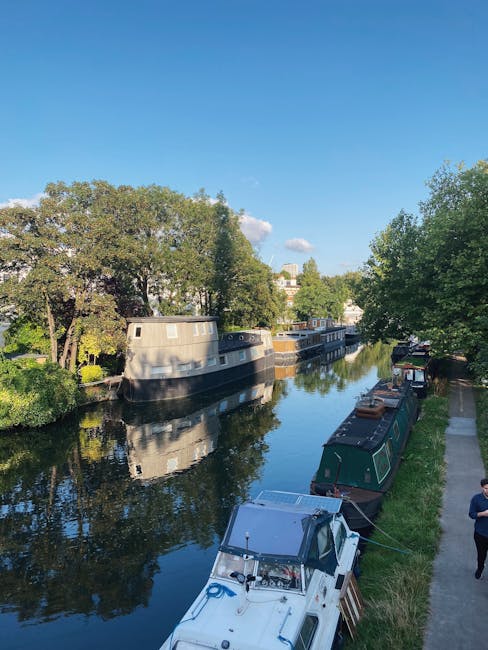
West Kensington is a district in the London Borough of Hammersmith and Fulham, lying to the west of central London and shaped by the transport corridors and residential streets around it. The area sits close to the boundary with neighbouring parts of Kensington and Hammersmith, and its built environment includes a mix of Victorian and later housing, local shops and commercial premises. One of its best-known features is its proximity to the Earl’s Court area and the long-established rail and Underground connections that have influenced movement through the district for more than a century. The street pattern includes narrower residential roads and larger routes such as North End Road, which has long served as a local shopping artery. Nearby, the Olympia exhibition venue has played an important role in the wider district’s cultural and commercial life, while the surrounding neighbourhoods retain a more everyday urban character. Like much of inner west London, the area reflects layers of change: older terraces, post-war infill, and modern alterations sit alongside each other, creating a varied streetscape. Parks and open spaces are part of the local landscape too, with smaller garden squares and access to larger green areas beyond the immediate streets. The result is a densely built place that still contains quieter pockets, where residential life and local commerce continue side by side in a compact part of the city.
What affects a quotation
A sensible carpet-cleaning quotation depends on several practical factors. Room count is important, but it is not the only consideration. Carpet fibre, pile type, stain severity, soiling level and access all affect the amount of work needed. A property with straightforward access and lightly soiled carpet will usually involve a simpler plan than one with stairs, edgework, heavily used areas or multiple localised stains. If you have pets, children, tenants or frequent visitors, the traffic pattern may also shape how the cleaning is approached.
We avoid making broad claims about results before seeing the scope, because the condition of the carpet matters more than generic promises. A clean can improve appearance, reduce dullness and remove a great deal of surface and embedded soil, but some marks are stubborn or permanent. That is why the most useful quotation is one that distinguishes between routine cleaning, stain treatment and any extra attention required for the job. Accuracy is usually more valuable than speed when the floor covering itself needs care.
For the clearest estimate, give the essentials first: room sizes, carpet type if known, access notes and whether any areas need particular treatment. If you want to include other services, mention them alongside the carpet work rather than separately. A combined enquiry helps create a single plan, and it gives you a better basis for comparing options without losing sight of the actual surfaces involved.
Practical preparation before the visit

Preparation does not need to be complicated. In most cases, the most helpful step is simply to make the areas accessible enough for the cleaning work to begin without delay. That may mean moving small items, clearing floor space or noting which rooms will be included. If there are particularly delicate objects, loose rugs or obstructive furniture pieces, it is sensible to identify them beforehand so the plan can be adjusted. This is less about ceremony and more about making the work straightforward and safe.
It also helps to be precise about any concerns you already know about. A stain that has been present for months is very different from a fresh spill, and a hallway that sees heavy daily use is very different from a spare room. Those distinctions matter because they affect the type of pre-treatment, the cleaning pattern and the likely finish. The more accurately the carpet’s condition is described, the more useful the quotation will be.
For larger properties, the best approach is often to prioritise the areas most in need of attention and then decide whether the remaining rooms should be included at the same time. That keeps the scope manageable and helps you focus on the parts of the job that will make the clearest difference. If you need to compare different surface types as well, ask about them together so the work can be planned coherently.
Carpets in homes, rentals and shared spaces
Different settings place different demands on carpet cleaning. In owner-occupied homes, the focus may be on restoring comfort and appearance in the most-used rooms. In rented properties, the priority may be to bring carpets back to a reasonable standard between occupants or after a period of heavy use. Shared buildings and workspaces can add another layer of complexity, because the timing of the work and the expected finish must suit the wider routine of the premises. The same service principle applies in each case, but the practical decisions vary.
Where carpets have been used intensively, cleaning may need to address more than visible dirt. Embedded grit can affect the feel of the pile, and repeated traffic can make certain paths appear darker or more compressed. A considered clean aims to improve both appearance and texture, even if the carpet cannot be made to look brand new. That honest approach is usually the most useful one for customers who want clarity rather than marketing language.
In some cases, related services such as end of tenancy cleaning, office cleaning and after builders cleaning may be relevant alongside the carpet work. Those are separate tasks with their own scope, but they can complement a carpet clean where the property needs more than one area attended to in the same plan.
Requesting a quotation

If you are ready to request a quotation for carpet cleaning in W9, send a brief outline of the rooms, the carpet type if you know it, and any marks or areas that need more attention. That is usually enough to begin. If the property includes stairs, landings or multiple connected rooms, mention those as well, because they often change the amount of work involved. A clear request makes it easier to give a helpful response without unnecessary back-and-forth.
You can also ask about linked services where they genuinely help the overall job. For example, some customers prefer to combine carpet care with office cleaners for a workplace refresh, or with cleaning company support when several interior tasks need to be brought together. The important point is to keep the enquiry grounded in the actual surfaces and rooms that need attention, rather than trying to make every job fit the same pattern.
Contact us to request a quotation, and tell us what needs cleaning, where it is located and whether there are any particular concerns. We will use that information to shape a suitable plan for the carpet work and any related services you choose to include. If you are comparing options now, this is a good time to gather your details and get the process started.